

Are you tired of paying high prices for professional dry cleaning? Many people struggle with how to do dry cleaning at home for clothes, but it’s easier than you think! With the right techniques and a little know-how, you can effectively clean your garments without the hefty price tag. In this article, we’ll explore the essential steps for home dry cleaning, discuss the best methods for various fabrics, and share tips to avoid common mistakes. By the end, you’ll feel empowered to take control of your wardrobe and maintain the quality of your clothes right from the comfort of your home.
Understanding Dry Cleaning and Its Importance
Dry cleaning is a cleaning process that uses solvents instead of water to remove stains and dirt from fabrics. It is especially important for delicate materials that may be damaged by traditional washing methods. This process helps maintain the appearance and longevity of garments, making it ideal for suits, silk blouses, and other sensitive items. Knowing how to do dry cleaning at home can save money and time while ensuring clothes remain fresh and well-maintained. By understanding the principles behind dry cleaning, you can effectively clean a variety of fabrics without professional help.
What is Dry Cleaning?
Dry cleaning is a method that utilizes chemical solvents to clean fabric without water. The term ‘dry’ refers to the absence of water, not the absence of moisture. The solvents dissolve oils and greases that water cannot, making it effective for removing tough stains. Understanding this process is crucial for replicating it at home.
Benefits of Dry Cleaning
The primary benefits of dry cleaning include preserving the fabric’s texture and color, as well as reducing shrinkage and distortion. It is particularly advantageous for items like formal wear and upholstery, which can be sensitive to water-based cleaning. By using this method, clothes can maintain their shape and last longer.
Key Points:
- Dry cleaning uses solvents instead of water for cleaning
- It is essential for preserving delicate fabrics and preventing damage
Preparing for Home Dry Cleaning
Before attempting to dry clean clothes at home, it’s essential to prepare adequately. This involves gathering the necessary materials and understanding the specific care instructions for your garments. Proper preparation not only ensures effective cleaning but also minimizes the risk of damage to your clothes. Familiarize yourself with the fabrics and stains you are dealing with to tailor your approach accordingly. Taking these steps can lead to a successful home dry cleaning experience.
Gathering Materials
To dry clean at home, you need a few essential items: a dry cleaning kit or specially formulated solvent, stain remover, and clean cloths. These materials will help effectively address different fabric types and stains. Make sure to read instructions for each product to ensure compatibility with your garments.
Reading Care Labels
Each garment comes with care labels that provide crucial information regarding cleaning methods. These labels will indicate whether dry cleaning is recommended and if there are any specific instructions. Always check these labels before attempting any cleaning method to avoid damaging your clothes.
Key Points:
- Proper preparation is key to successful home dry cleaning
- Always read care labels to prevent fabric damage
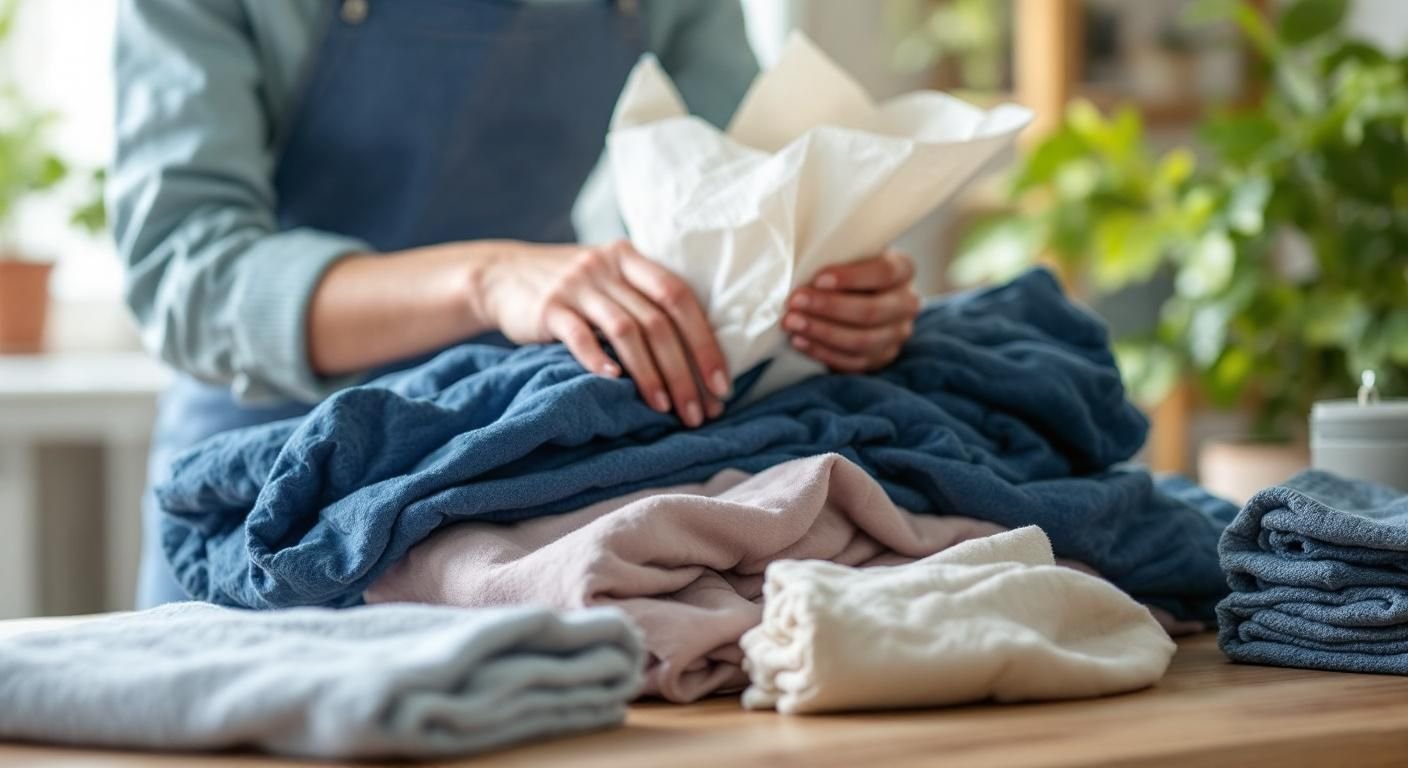
Understanding the Dry Cleaning Process
Dry cleaning is a method that uses solvents instead of water to clean clothes. It’s particularly effective for delicate fabrics that can be damaged by water. To replicate this at home, you’ll need to understand how solvents work on various stains. Assessing fabric types is crucial. Wool, silk, and certain synthetics often require special care to avoid shrinkage or damage. Knowing the right temperature and solvent is essential for achieving optimal results without harming your garments.
Fabric Identification
Understanding fabric types is key to effective dry cleaning at home. Natural fibers like silk and wool require gentler treatment compared to synthetic fibers. Always check care labels for specific instructions, as some fabrics can shrink or lose color if not treated properly. This knowledge will help you select the appropriate cleaning method and solvent.
Stain Identification and Treatment
Different stains require different treatments. Oil-based stains, such as grease, need a solvent like rubbing alcohol, while water-based stains can often be treated with simple vinegar solutions. Identify the stain type before cleaning to choose the most effective treatment method. Pre-treat stains for better results, ensuring you blot rather than rub to avoid spreading.
Key Points:
- Know your fabrics and their care needs.
- Identifying stains correctly leads to better treatment outcomes.
💡 Always test a small, inconspicuous area of the fabric before applying solvents to avoid damage.
💡 Use a gentle blotting motion on stains rather than scrubbing to prevent fabric wear.
DIY Dry Cleaning Techniques
Once you’re familiar with the fabrics and stains, you can implement various DIY dry cleaning techniques. Home dry cleaning kits are popular, but you can also create your own cleaning solutions. Ensure proper ventilation when using solvents, and always follow safety precautions. Techniques like steam cleaning or using fabric fresheners can also refresh your clothes without traditional dry cleaning methods. For delicate items, consider hand washing with mild detergents as an alternative.
Creating a Dry Cleaning Solution
You can create a simple dry cleaning solution at home using common household items like vinegar and baking soda. Mix equal parts vinegar and water for a gentle stain remover. For deep cleaning, combine baking soda with a little water to form a paste, applying it to stained areas. Allow it to sit before rinsing with a damp cloth. Always test on a small area first to avoid color damage.
Steam Cleaning Method
Steam cleaning is an effective way to refresh clothes without extensive washing. Hang your garment in the bathroom while taking a hot shower, allowing the steam to penetrate the fabric. Alternatively, use a handheld steamer to target specific areas. This method helps remove odors and light wrinkles, making it a great maintenance technique between traditional dry cleaning sessions.
Key Points:
- DIY cleaning solutions can be effective and economical.
- Steam cleaning is a safe method to refresh delicate fabrics.
💡 Always air out garments after using solvents to prevent chemical buildup.
💡 Consider using a fabric spray to maintain freshness between cleanings.
EXPERT TIPS Pro Advice
Use cold water for pre-treating stains.
Cold water helps prevent stains from setting, making it easier to lift them during the cleaning process.
Invest in a quality lint roller.
A lint roller can quickly remove dust, pet hair, and surface dirt, keeping clothes looking fresh between cleanings.
Store garments properly after cleaning.
Using breathable garment bags helps maintain fabric integrity and keeps clothes free from dust and pests.
Keep a cleaning log for delicate items.
Tracking cleaning dates and methods can help you maintain garment quality and avoid over-cleaning.
Frequently Asked Questions
Conclusion
Dry cleaning at home offers a convenient and effective way to care for delicate garments. By following specific steps, using appropriate methods, and paying attention to fabric types, you can extend the life of your clothes. Always adhere to care labels and treat stains promptly.
🎯 Key Takeaways:
- Dry cleaning uses solvents, not water, to clean clothes.
- Home dry cleaning kits can be effective for minor stains.
- Regular detergent should be avoided in favor of specific solutions.
- Not all fabrics are suitable for home dry cleaning.
- Air drying is recommended after the process.
Expert Advice: Always read care labels and test treatments on inconspicuous areas first. This ensures the safety of your garments while enhancing their longevity. Practicing proper handling and cleaning techniques can keep your clothes looking their best.
Explore more about garment care and try home dry cleaning to see how it benefits your wardrobe!
Leave a Reply