
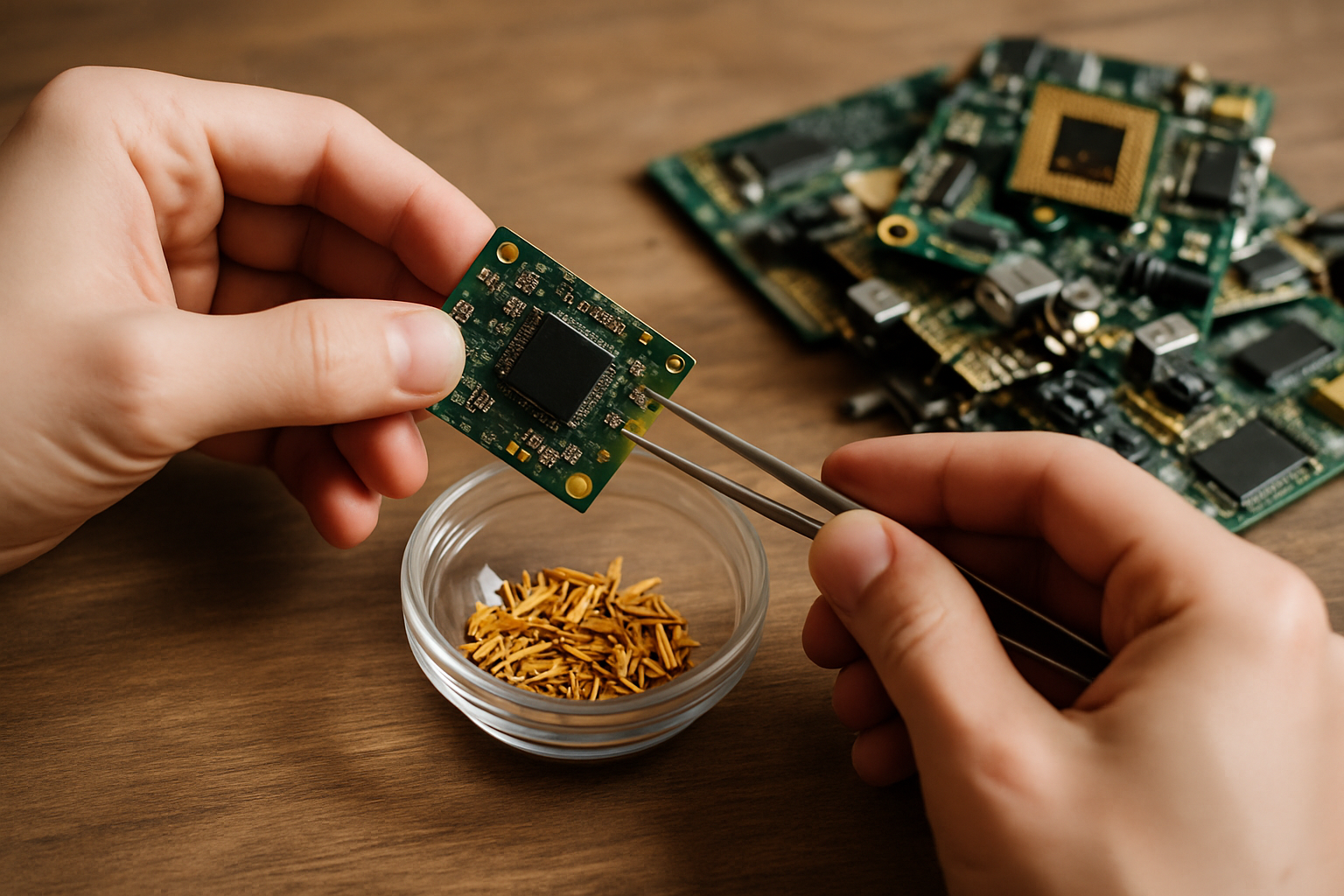
How to Get Gold Out of Electronics at Home: Your Ultimate Guide
Have you ever wondered how to get gold out of electronics at home? With the rise of e-waste, many people are looking for sustainable ways to reclaim valuable metals. Did you know that the average smartphone contains up to 0.034 grams of gold? This hidden treasure can be extracted with the right knowledge and techniques. In this article, we will explore the various methods to recover gold from electronics, ensuring you understand the safety precautions and environmental considerations involved. Whether you’re a hobbyist or just curious about the process, our expert insights will equip you with the necessary skills to safely extract gold from old devices and circuit boards.
Understanding the Value of Gold in Electronics
Gold is a valuable metal used in various electronic components due to its excellent conductivity and resistance to corrosion. Many electronic devices, such as smartphones, computers, and circuit boards, contain small amounts of gold. Understanding where to find this gold and recognizing its worth is crucial for those considering extraction. Typically, gold is found in connectors, circuit boards, and processors. The extraction process can be rewarding, but it requires careful handling and knowledge of the risks involved, including safety hazards related to chemicals and materials used in electronics.
Where to Find Gold in Electronics
Common sources of gold in electronics include old computers, smartphones, and televisions. Look for gold-plated connectors, pins, and circuit boards. Disassembling these devices can reveal multiple areas where gold is present, but it’s essential to use the right tools and techniques to avoid damaging the components.
The Economics of Recycling Gold
The value of gold can fluctuate, but even small amounts can be profitable when extracted from electronics. Understanding current gold prices and the potential yield from devices is crucial. It’s important to weigh the cost of extraction methods against the value of the gold recovered, making sure the effort is worthwhile.
Key Points:
- Gold is found in various electronic components
- Assess the potential value before extraction
Safety and Preparation for Gold Extraction
Before attempting to extract gold from electronics, safety should be the top priority. Many electronic devices contain hazardous materials, including heavy metals and toxic substances. Proper preparation includes wearing protective gear, such as gloves and masks, and working in a well-ventilated area. Additionally, understanding the extraction methods and their associated risks is vital. Some methods may involve chemicals that can be dangerous if mishandled. Therefore, having a clear plan and knowledge of safety protocols is essential for a successful extraction process.
Protective Measures
Always wear appropriate safety gear, including gloves, goggles, and masks, to minimize exposure to hazardous materials. Ensure your workspace is well-ventilated to prevent inhalation of harmful fumes. Proper disposal of any waste materials is also crucial to protect both your health and the environment.
Choosing the Right Extraction Method
There are various methods to extract gold, including chemical processes and mechanical means. Researching each method’s risks and benefits will help you choose the safest and most effective approach. For instance, using chemical solutions can yield more gold but poses greater safety hazards.
Key Points:
- Prioritize safety and protective measures
- Research extraction methods thoroughly before proceeding
Understanding Electronic Components Containing Gold
Gold is often found in various electronic components due to its excellent conductivity and resistance to corrosion. Common sources include connectors, circuit boards, and microchips. Identifying these components is crucial for effective recovery. Typically, gold is present in thin plating, requiring careful extraction techniques to avoid losing material during the process. Knowing where to find gold in electronics will enhance your recovery efforts and efficiency.
Common Sources of Gold in Electronics
Key sources of gold in electronics include connectors, circuit boards, and internal components of devices like smartphones and computers. Circuit boards often contain a thin layer of gold plating, particularly in high-end models. Understanding these sources helps target your extraction efforts effectively.
Safety Precautions to Consider
When extracting gold from electronics, safety is paramount. Always wear protective gear including gloves and goggles to prevent exposure to harmful chemicals. Ensure adequate ventilation in your workspace, especially when using solvents or acids, to avoid inhaling toxic fumes.
Key Points:
- Gold is commonly found in connectors and circuit boards.
- Safety is crucial when handling electronic materials.
💡 Always research the specific components before extraction to maximize yield.
💡 Keep a detailed record of components you extract to track your gold recovery progress.
Methods for Extracting Gold from Electronics
There are several methods for extracting gold from electronics, including chemical leaching, thermal processes, and physical separation. Each method has its advantages and drawbacks, depending on the equipment available and the quantity of electronics being processed. Chemical methods, while effective, require careful handling of hazardous substances. Thermal methods can yield high amounts of gold but may involve significant energy costs.
Chemical Leaching Process
The chemical leaching process typically involves using strong acids like hydrochloric or nitric acid to dissolve gold from electronic components. This method is effective but requires careful handling and disposal of hazardous waste. Always follow local regulations for chemical disposal to avoid environmental harm.
Physical Separation Techniques
Physical separation techniques involve manually dismantling electronic devices to recover gold-plated components. This method is labor-intensive but minimizes chemical hazards. It includes processes like scraping, grinding, and using magnets to separate metals based on their properties.
Thermal Methods and Their Considerations
Thermal methods, such as smelting, involve heating electronic waste to high temperatures to separate metals. While this can efficiently recover gold, it requires specialized equipment and poses risks of releasing toxic fumes. Proper ventilation and control measures are essential when implementing this method.
Key Points:
- Chemical leaching is effective but hazardous.
- Physical separation is safer but more labor-intensive.
💡 Consider starting with physical separation for small quantities to minimize risks.
💡 Research local regulations on chemical use and disposal to ensure compliance.
EXPERT TIPS Pro Advice
Start small to gain experience
Begin with a few electronic devices to familiarize yourself with the extraction process and minimize waste. This builds confidence and skills for larger projects.
Use a well-ventilated area
Always work in a space with good airflow, especially when using chemicals, to protect yourself from harmful fumes and ensure a safer working environment.
Document your processes
Keep a detailed log of methods and yields from each extraction to refine your techniques and improve efficiency over time.
Always prioritize safety
Ensure you have the necessary protective gear and follow safety protocols to avoid accidents and health risks during the extraction process.
Network with other hobbyists
Engaging with others who have experience in gold extraction can provide valuable insights, tips, and resources to enhance your efforts.
Frequently Asked Questions
Conclusion
Extracting gold from electronics at home is a feasible and eco-friendly process. By identifying devices with gold, dismantling them safely, and applying proper extraction methods, you can recover valuable materials. Always prioritize safety and sustainability throughout the process.
🎯 Key Takeaways:
- Electronics like smartphones and computers contain recoverable gold.
- Safe extraction methods include mechanical and non-toxic chemical options.
- Gold recovery helps reduce waste and conserve resources.
- Proper tools and protective gear are essential for safe extraction.
Expert Advice: Always prioritize safety by using protective equipment and following environmental regulations during gold extraction. Educate yourself on the methods to minimize risks and maximize recovery efficiently.
Consider starting your gold extraction journey by researching local recycling laws and safe dismantling techniques.
Leave a Reply