
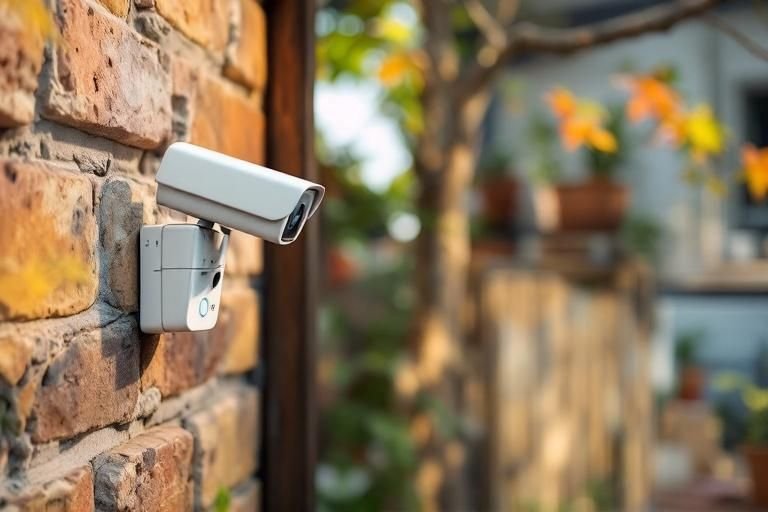
Are you concerned about the safety of your home and family? Installing a home security system can significantly enhance your protection and peace of mind. With over 15 years of experience in home safety solutions, I understand the challenges many face during the installation process. In this comprehensive guide on how to install a home security system, you will learn the essential steps, from selecting the right components to ensuring optimal functionality. Whether you’re a DIY enthusiast or someone seeking professional tips, this article will equip you with the knowledge needed to create a secure environment for your loved ones.
Understanding the Importance of Home Security Systems
Home security systems are essential for protecting your property, loved ones, and valuables from theft and other threats. They act as a deterrent to potential intruders and provide peace of mind to homeowners. A well-designed security system can monitor various entry points, detect unauthorized access, and even alert you and authorities during emergencies. Recognizing the importance of installing a home security system is the first step in safeguarding your home effectively.
Types of Security Systems
There are several types of home security systems, including wired, wireless, and hybrid systems. Wired systems offer stability and reliability, while wireless systems provide flexibility and ease of installation. Hybrid systems combine the advantages of both, catering to various needs and preferences. Understanding these types will help you choose the right system for your home.
Key Components of a Home Security System
A comprehensive home security system typically includes components like cameras, motion detectors, door/window sensors, and alarms. Cameras provide visual monitoring, motion detectors alert you to movement, and sensors secure entry points. Alarms sound when a breach is detected, ensuring prompt response. Familiarizing yourself with these components is crucial for effective installation.
Key Points:
- Home security systems deter crime and provide peace of mind.
- Understanding system types and components is crucial for effective installation.
Planning Your Home Security System Installation
Before installing your home security system, careful planning is essential. Assess your property to identify vulnerable areas and determine the type of coverage you need. Consider factors like layout, entry points, and potential blind spots. A well-thought-out installation plan will enhance the effectiveness of your security measures and ensure comprehensive protection.
Conducting a Security Assessment
Start with a thorough security assessment of your home. Walk around your property to identify weak points, such as poorly lit areas, easily accessible windows, or doors that lack proper locks. Document these vulnerabilities to prioritize your security needs and tailor your system accordingly.
Choosing the Right Locations for Devices
Select strategic locations for your security devices, including cameras and sensors. Install cameras at entrances and high-traffic areas for maximum visibility. Ensure motion detectors are placed to cover potential entry points effectively. Proper placement increases the likelihood of capturing intrusions and enhances the overall security of your home.
Key Points:
- Planning is vital for effective home security installation.
- A comprehensive assessment helps identify vulnerabilities.

Planning Your Home Security System Installation
Before installing a home security system, thorough planning is essential to ensure maximum effectiveness. Start by assessing your property, identifying vulnerable areas, and determining the level of security you need. Consider factors such as entry points, windows, and outdoor spaces. This will help you select the right components, such as cameras or alarms, tailored to your home’s specifics. Additionally, creating a layout plan for camera placement and sensor locations will streamline the installation process and enhance coverage.
Assessing Vulnerabilities
Begin your assessment by walking around your property. Identify potential entry points, such as doors and windows, and evaluate their security. Pay attention to areas that are poorly lit or obstructed from view. This evaluation will help you prioritize which areas need more robust security measures, such as cameras or motion sensors.
Choosing the Right Components
Once vulnerabilities are assessed, select components that suit your needs. Consider integrating indoor and outdoor cameras, motion detectors, and alarm systems. Think about the technology type—wired or wireless—based on your installation comfort level and the layout of your home. Ensure the components are compatible to create a cohesive system.
Key Points:
- Assess property vulnerabilities to tailor security solutions effectively.
- Choose compatible components to create a cohesive and effective system.
💡 Conduct a thorough walk-around of your property to identify blind spots and high-risk areas.
💡 Use a diagram to plan the layout of security devices for optimal coverage.
Step-by-Step Installation Process
The installation of your home security system should follow a structured approach. Start by gathering all necessary tools and components. For wired systems, ensure you have the right wiring equipment, while wireless systems will require batteries and mounting brackets. Follow the manufacturer’s instructions closely during installation. Begin by placing cameras at predetermined locations, ensuring they cover key entry points and have unobstructed views. Install sensors and alarms accordingly, testing each component as you go to confirm functionality.
Installing Cameras
When installing cameras, mount them at least 8-10 feet high to avoid tampering. Ensure each camera has a clear line of sight to the areas you want to monitor. Use the provided mounting brackets and secure them tightly. After installation, connect the cameras to your home network and test their video feed for clarity and coverage.
Setting Up Alarms and Sensors
Place motion sensors in high-traffic areas, ensuring they are out of reach but can detect movement effectively. Test each sensor individually to confirm that they trigger the system as intended. For door and window sensors, ensure they align properly when closed, which will ensure accurate notifications in case of a breach.
Key Points:
- Follow manufacturer guidelines for installation to avoid malfunctions.
- Testing components ensures reliability and effectiveness of the system.
💡 Test each component during installation to catch issues early.
💡 Consider professional help for complex wiring or if unsure about installation.
EXPERT TIPS Pro Advice
Document your installation process with photos.
This provides a visual reference for future adjustments or troubleshooting.
Regularly update your security system’s software.
Updates can enhance performance and fix security vulnerabilities.
Incorporate a backup power source.
This ensures your security system remains operational during power outages.
Consider integrating smart home features.
This allows remote monitoring and control, enhancing convenience and security.
Engage neighbors in security awareness.
Community vigilance can deter criminal activity and create a safer environment.
Frequently Asked Questions
Conclusion
Installing a home security system is a vital step toward safeguarding your home. By following clear steps for installation, understanding the importance of system features, and considering DIY options, you can enhance your property’s security. Regular testing and adjustments ensure optimal performance.
🎯 Key Takeaways:
- Plan your system layout based on key areas to monitor.
- Installation time varies; expect 1 to 4 hours.
- DIY installation is possible with proper instructions.
- Regularly test your system to ensure functionality.
- Consider hiring professionals for complex installations.
Expert Advice: Take your time during installation and pay attention to detail. A well-installed system not only protects your home but also gives you peace of mind. Regular updates and maintenance will keep your security measures effective.
Begin planning your home security system today by assessing your needs and exploring installation options.
Leave a Reply