
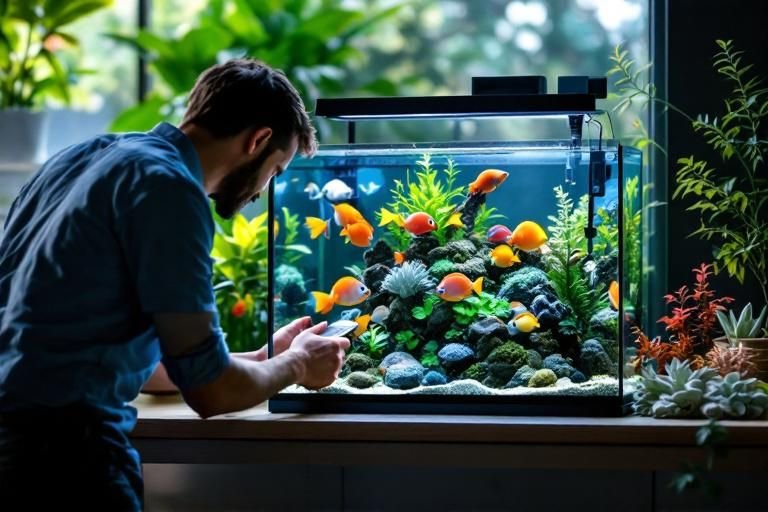
Are you struggling to keep your saltwater aquarium healthy and thriving? With the right knowledge and techniques, maintaining a saltwater aquarium can be a rewarding experience. As an expert in aquarium care with over a decade of experience, I understand the unique challenges that come with managing saltwater ecosystems. In this comprehensive guide, you will discover the essential steps to ensure your tank remains a vibrant habitat for marine life. From water quality management to regular maintenance routines, this article covers everything you need to know about how to maintain a saltwater aquarium successfully.
Understanding the Basics of Saltwater Aquariums
Maintaining a saltwater aquarium requires a solid understanding of its unique ecosystem. Saltwater tanks differ from freshwater tanks in terms of water chemistry, equipment, and the types of marine life they can support. The first step is to familiarize yourself with the necessary components for a healthy aquarium environment. Key elements include water salinity, temperature, and filtration systems, all of which play crucial roles in sustaining aquatic life. A well-maintained saltwater aquarium can be a stunning addition to any home, but it demands careful monitoring and regular maintenance to thrive.
Water Chemistry Essentials
The chemistry of saltwater is complex and significantly affects marine life. Key parameters include salinity, pH, ammonia, nitrite, and nitrate levels. Regular testing using reliable kits ensures these levels remain stable. Understanding the ideal ranges for specific fish and corals is essential, as fluctuations can lead to stress or even death. Maintaining proper water chemistry involves regular water changes and possibly using supplements to keep parameters balanced.
Equipment Overview
Successful saltwater aquarium maintenance hinges on appropriate equipment. Essential items include a high-quality filtration system to remove toxins, a heater to maintain optimal temperature, and protein skimmers to eliminate organic waste. Additionally, lighting is crucial for photosynthetic organisms like corals. Investing in reliable equipment not only simplifies maintenance but also creates a stable environment for your aquatic inhabitants.
Key Points:
- Understand water chemistry for optimal marine life health.
- Invest in quality equipment for effective aquarium maintenance.
Regular Maintenance Routines
Establishing a regular maintenance routine is vital for the longevity and health of a saltwater aquarium. This includes daily, weekly, and monthly tasks that ensure water quality and the well-being of the inhabitants. Daily observations of fish behavior, feeding routines, and general tank appearance can provide early indicators of issues. Weekly water tests and partial water changes help maintain stable conditions, while monthly tasks may involve cleaning equipment and assessing the overall health of corals and fish. Consistency in maintenance routines is key to preventing major problems and ensuring a thriving aquarium.
Daily and Weekly Tasks
Daily tasks include monitoring fish behavior and feeding schedules, as well as checking equipment functionality. Weekly, you should conduct water tests for key parameters, such as salinity and nitrate levels, and perform partial water changes. These tasks help mitigate any potential problems before they escalate, ensuring a stable environment for your marine life.
Monthly Maintenance Checklists
Monthly maintenance should focus on deeper cleaning and equipment checks. This includes cleaning the substrate, inspecting the filtration system, and ensuring all equipment is functioning correctly. Additionally, assess the health of corals and fish to identify any signs of disease or stress. Regularly reviewing your entire setup helps maintain a healthy aquarium ecosystem.
Key Points:
- Consistency in maintenance routines prevents major issues.
- Daily and weekly tasks are crucial for monitoring aquarium health.
Essential Water Parameters for a Healthy Saltwater Aquarium
Maintaining optimal water parameters is crucial for the health of a saltwater aquarium. Key factors include salinity, pH, temperature, and ammonia levels. Regular monitoring ensures that these parameters remain within the ideal range for the specific marine life you keep. For instance, salinity should typically be between 1.020 and 1.025 specific gravity, while the pH should be maintained between 8.1 and 8.4. Temperature should ideally range from 76°F to 82°F, depending on the species. High ammonia levels can stress or kill fish, making regular testing essential.
Salinity Management
Salinity is a critical parameter in a saltwater aquarium. It influences how fish osmoregulate and affects their overall health. Use a refractometer for accurate measurements and adjust salinity gradually to avoid shocking your aquatic life. Regular water changes and using the right mix of salt can help maintain stable salinity levels.
pH and Temperature Stability
Maintaining a stable pH and temperature is vital for the wellbeing of your marine organisms. Sudden fluctuations can lead to stress and disease. Invest in a reliable heater and monitor your pH regularly, using buffers if necessary to maintain stability. A stable environment promotes healthy growth and reduces the risk of illness.
Key Points:
- Regular monitoring of water parameters is essential
- Stable salinity and temperature are critical for marine life health
💡 Use a high-quality test kit for accurate readings
💡 Keep a log of water parameters to identify trends
💡 Perform regular water changes to maintain stability
Effective Filtration and Maintenance Practices
Proper filtration is fundamental for a sustainable saltwater aquarium. Biological, mechanical, and chemical filtration work in tandem to keep the water clean and safe for marine life. Regular maintenance of these systems is necessary to ensure optimal performance. Clean or replace filter media as recommended, and ensure that the flow rate is appropriate for your tank size. Additionally, regular skimming helps remove organic waste, enhancing water quality.
Understanding Filtration Types
Biological filters foster beneficial bacteria that break down harmful ammonia and nitrites. Mechanical filters remove particulate matter, while chemical filters eliminate dissolved impurities. A balance of all three types will provide a comprehensive filtration system, ensuring a healthy environment for your aquarium inhabitants.
Routine Maintenance Schedule
Establishing a routine maintenance schedule is crucial for keeping your aquarium thriving. This includes weekly water changes, cleaning the substrate, and checking equipment functionality. A well-maintained aquarium reduces the risk of disease and ensures that your marine ecosystem remains balanced and vibrant.
Key Points:
- Filtration is key to maintaining water quality
- Routine maintenance helps prevent long-term issues
💡 Clean filter media gently to avoid killing beneficial bacteria
💡 Schedule maintenance tasks to prevent neglect
💡 Consider a quarantine tank for new arrivals to minimize disease risk
EXPERT TIPS Pro Advice
Test water parameters frequently
Regular testing helps catch imbalances early, allowing for timely corrections that can prevent fish stress or death.
Invest in a quality protein skimmer
A protein skimmer effectively removes organic waste before it breaks down, improving overall water quality and reducing maintenance.
Introduce new fish gradually
Adding new fish slowly helps prevent overloading the biological filter and reduces stress among existing residents.
Utilize live rock for biological filtration
Live rock not only provides natural habitat but also hosts beneficial bacteria, enhancing biological filtration in your aquarium.
Keep a close eye on fish behavior
Monitoring fish behavior can help detect early signs of stress or illness, allowing for quicker intervention.
Frequently Asked Questions
Conclusion
Maintaining a saltwater aquarium requires regular water changes, monitoring key parameters, and ensuring proper filtration. By following best practices such as quarantining new fish and controlling algae, you can create a thriving marine environment. Consistency and attention to detail are essential for success.
🎯 Key Takeaways:
- Regular water changes maintain water quality.
- Monitor salinity, pH, and other parameters.
- Effective filtration is crucial for a healthy tank.
- Quarantine new fish to prevent disease.
- Control algae through lighting and nutrient management.
Expert Advice: Commit to a routine and stay informed about best practices in marine care. Continuous learning will enhance your aquarium’s health and stability, ensuring a vibrant underwater ecosystem.
Start implementing these maintenance tips today for a thriving saltwater aquarium!
Leave a Reply