
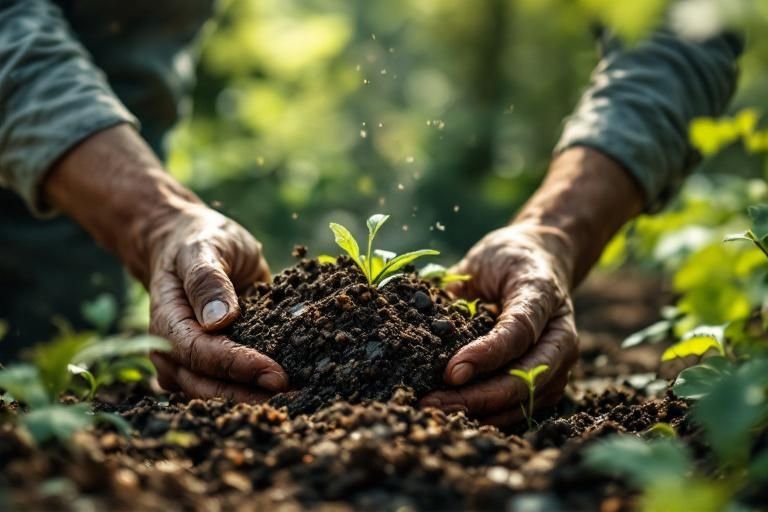
Are you tired of throwing away kitchen scraps that could enrich your garden? Studies show that composting can reduce waste by up to 30%, making it an eco-friendly solution for households. In this guide, we will delve into how to make compost from kitchen waste at home, offering step-by-step instructions and expert tips to turn your organic waste into valuable compost. With over 15 years of experience in sustainable gardening practices, we will provide you with the knowledge and confidence to start composting today. Whether you’re a beginner or looking to improve your composting skills, this PDF guide will equip you with everything you need to know about creating nutrient-rich compost from your kitchen waste.
Understanding Composting and Its Benefits
Composting is the natural process of recycling organic matter, such as kitchen waste, into a rich soil amendment known as compost. This process not only reduces landfill waste but also enriches soil health, promotes plant growth, and helps retain moisture in the garden. By making compost from kitchen waste at home, individuals can significantly reduce their environmental footprint while reaping the benefits of nutrient-rich soil. Composting also encourages biodiversity in gardens and helps suppress diseases and pests, providing a more sustainable gardening approach.
The Composting Process
Composting involves a process of decomposition where microorganisms break down organic materials. Kitchen scraps like fruit peels, vegetable trimmings, and coffee grounds provide nitrogen-rich ‘green’ materials, while dry leaves and cardboard offer carbon-rich ‘brown’ materials. A balanced mix of these components, adequate aeration, and moisture levels are crucial for effective composting. Over time, these materials will break down into dark, crumbly compost within a few weeks to several months, depending on conditions.
Types of Kitchen Waste Suitable for Composting
Not all kitchen waste is suitable for composting. Ideal materials include fruit and vegetable scraps, eggshells, coffee grounds, and paper products. However, avoid composting dairy products, meat, and oily foods, as they can attract pests and create odors. Understanding which kitchen waste to compost is crucial for maintaining a healthy compost pile and ensuring efficient decomposition. Proper selection of materials can enhance the quality of the compost produced.
Setting Up Your Home Composting System
Establishing a composting system at home is a straightforward process that can be tailored to fit various living situations, whether you have a backyard or an apartment. Start by selecting a composting method that suits your space, such as a traditional compost bin, a worm composting system, or a compost tumbler. Each method has its benefits, from space efficiency to faster decomposition. It’s essential to monitor the compost pile regularly, ensuring it remains moist and well-aerated to promote healthy microbial activity.
Choosing the Right Composting Method
Different composting methods cater to various needs and spaces. Traditional compost bins are ideal for those with outdoor space, while worm composting (vermicomposting) is suitable for small areas such as apartments. Compost tumblers allow for quick mixing and aeration, promoting faster decomposition. Assess your available space, the volume of waste you generate, and your maintenance preferences to choose the best method for your situation.
Maintaining Your Compost Pile
Regular maintenance of your compost pile is critical for successful composting. Turn the pile every few weeks to aerate it, which helps speed up the decomposition process. Monitor moisture levels, ensuring the compost is damp but not soggy. Additionally, check for odors; a well-maintained compost should smell earthy, not foul. By actively managing your compost, you can optimize the conditions needed for efficient breakdown and nutrient production.
Understanding Kitchen Waste and Composting Basics
Composting kitchen waste is an eco-friendly way to recycle organic materials, providing rich nutrients for your garden. Key components of composting include a balance of greens (nitrogen-rich materials) and browns (carbon-rich materials). Kitchen scraps like vegetable peels, fruit scraps, and coffee grounds are excellent sources of greens, while cardboard, paper, and dried leaves serve as browns. The ideal compost pile should have a ratio of approximately 2:1 of browns to greens for optimal decomposition. Monitoring moisture levels is essential; the compost should be damp but not soggy to facilitate microbial activity. Additionally, turning the pile regularly aerates it, speeding up the composting process.
Identifying Suitable Kitchen Waste
Not all kitchen waste is suitable for composting. Acceptable items include vegetable and fruit scraps, eggshells, and coffee grounds. Avoid composting meat, dairy, and oily foods, as they can attract pests and create odors. By focusing on the right materials, you can enhance the effectiveness of your compost. Remember to chop larger scraps to expedite decomposition.
Maintaining Your Compost Pile
To ensure your compost pile remains effective, regular maintenance is crucial. Keep the pile moist, turning it every few weeks to aerate and promote even decomposition. If the pile becomes too dry, add water or additional greens. Conversely, if it becomes too wet and smelly, add more browns to absorb excess moisture. Monitoring temperature can also indicate activity; a warm pile is a sign of good microbial action.
Key Points:
- Balance greens and browns for effective composting.
- Regular maintenance ensures a healthy compost pile.
💡 Layer your compost with alternating greens and browns to optimize aeration and microbial activity.
💡 Chop or shred larger pieces of waste to speed up the decomposition process.
💡 Use a thermometer to monitor the temperature of your compost; it should ideally reach between 130°F to 160°F.
Advanced Composting Techniques for Home Use
For those looking to elevate their composting skills, advanced techniques can yield quicker and more efficient results. One popular method is the use of a compost tumbler, which allows for easier aeration and mixing of materials. Additionally, vermicomposting involves using worms to break down food scraps, producing nutrient-rich worm castings. This method is particularly suitable for smaller spaces and can be done indoors. Another technique is hot composting, where the pile is managed to reach high temperatures, breaking down materials in a matter of weeks rather than months. This approach requires careful attention to the carbon-nitrogen ratio and moisture levels.
Utilizing Compost Tumbler Systems
Compost tumblers simplify the composting process by allowing for easy mixing and aeration without manual turning. These enclosed systems can heat up quickly, leading to faster decomposition. Ensure you maintain the right balance of materials and monitor moisture levels for optimal performance. Tumblers are ideal for small backyards or urban settings.
Exploring Vermicomposting
Vermicomposting employs red worms to convert kitchen waste into nutrient-dense compost. Set up a worm bin with bedding materials like shredded newspaper and add kitchen scraps gradually. Keep the bin moist but not wet, and avoid citrus or spicy foods, as they can harm the worms. This method is highly effective for indoor composting and small spaces.
Implementing Hot Composting Techniques
Hot composting accelerates the decomposition process by maintaining high temperatures within the pile. To achieve this, build your compost pile at least three feet wide and three feet tall, ensuring a good mix of greens and browns. Monitor the temperature, aiming for a range of 130°F to 160°F. Turning the pile every few days helps maintain heat and aeration.
Key Points:
- Advanced techniques can significantly accelerate composting.
- Monitoring and adjusting conditions is key to successful hot composting.
💡 Consider a compost tumbler for efficient aeration and faster composting without manual labor.
💡 Start a vermicomposting bin to maximize space and produce high-quality compost indoors.
💡 Monitor the compost pile temperature to ensure it reaches optimal levels for breakdown and pathogen elimination.
EXPERT TIPS Pro Advice
Balance your compost ingredients carefully.
Maintaining a proper carbon-nitrogen ratio is crucial for effective composting, as it fosters the right microbial activity for decomposition.
Keep a compost journal.
Documenting your composting process helps you identify what works and what doesn’t, leading to improved compost quality over time.
Experiment with different composting methods.
Trying various techniques like tumbling, vermicomposting, or bokashi can provide insights into what best suits your lifestyle and space.
Frequently Asked Questions
Conclusion
Composting kitchen waste at home is a sustainable practice that enriches soil while reducing waste. By using appropriate materials and maintaining the right balance of greens and browns, you can create nutrient-rich compost. Regular monitoring and turning will help speed up decomposition.
🎯 Key Takeaways:
- Use vegetable scraps, fruit peels, and paper for compost.
- Avoid meat, dairy, and cooked foods to prevent pests.
- Maintain moisture and aerate your compost regularly.
- Composting can take 2 to 6 months for completion.
Expert Advice: Start small and gradually expand your composting efforts. Educate yourself on composting techniques to maximize benefits and contribute to a healthier planet.
Consider starting your composting journey today and enjoy the benefits of enriched soil in your garden!
Leave a Reply