
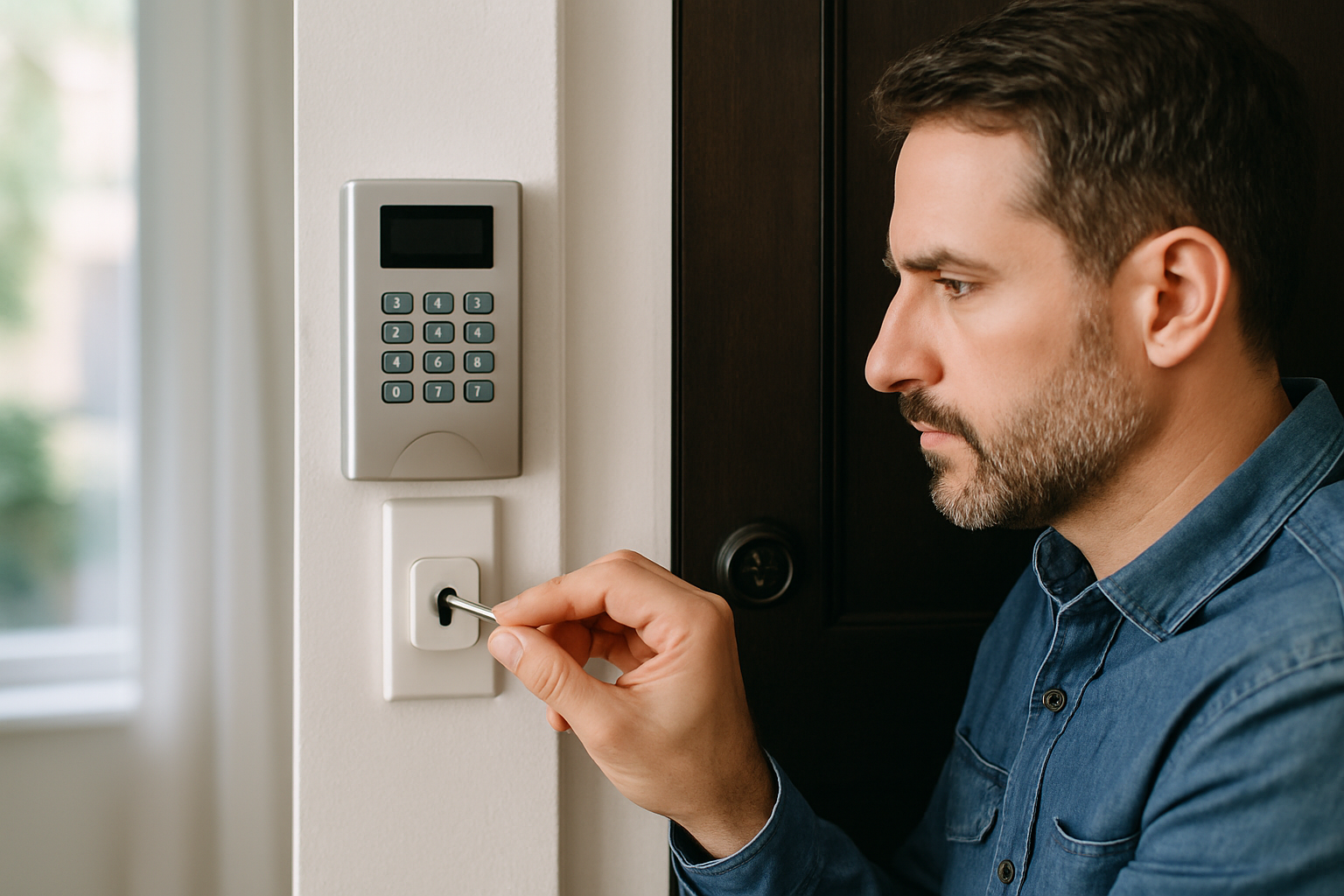
How to Secure Your Home: Essential Strategies for Safety
Are you concerned about the safety of your home? With recent statistics showing that a burglary occurs every 30 seconds in the U.S., understanding how to secure your home has never been more crucial. As an expert in home safety and security, I have compiled effective strategies and tips to help you protect your property and loved ones. In this article, you will learn about fundamental security measures, how to enhance your home’s defenses, and common mistakes to avoid. Whether you’re a first-time homeowner or looking to upgrade your current security system, this guide will provide the insights you need to make informed decisions about your home’s safety.
Understanding Home Security Basics
Securing your home begins with understanding the basics of home security. This includes recognizing potential vulnerabilities and developing a comprehensive plan to address them. Start by assessing your property, looking for weak points such as unlocked doors, inadequately lit pathways, or easily accessible windows. Take note of these areas as they can significantly affect your home’s security. Additionally, consider the layout of your neighborhood and any known crime statistics, which can inform your security strategies. By laying this groundwork, you can create an effective approach to securing your home.
Identifying Vulnerable Areas
Begin by conducting a thorough walkthrough of your home and property. Pay special attention to entry points like doors and windows, as well as areas that are hidden from view, such as the back or side of the house. Look for signs of wear or damage that may compromise their security. Also, consider outdoor lighting; poorly lit areas can provide cover for intruders. Document any vulnerabilities you find to prioritize fixes effectively.
Understanding Crime Patterns
Researching local crime patterns can provide insight into the types of threats you may face. Look into neighborhood crime reports, local news, or community forums to identify common issues in your area. Understanding whether burglary, vandalism, or other crimes are prevalent can guide your security measures. This knowledge allows you to tailor your home security approach to address the specific risks that concern your community.
Key Points:
- Assess your property for vulnerabilities
- Research local crime statistics for informed security strategies
Creating a Comprehensive Home Security Plan
Once you understand the basics, the next step is to create a comprehensive home security plan. This plan should encompass a range of strategies, from physical deterrents to technological solutions. Begin by setting clear security goals, such as preventing unauthorized access or ensuring family safety. Next, outline the measures you will implement, including locking systems, alarms, and surveillance options. Regularly reviewing and updating your plan is essential to adapt to changing circumstances or new threats.
Establishing Security Goals
Define what you want to achieve with your home security plan. Goals may include deterring intruders, protecting valuables, or ensuring the safety of family members. Clear objectives help prioritize your security measures and allocate resources effectively. For instance, if your main concern is theft, you might focus on strengthening access points and installing surveillance systems.
Implementing Effective Security Measures
Consider a layered approach to security that combines physical barriers, alarms, and surveillance. Start with basic measures like deadbolt locks and security cameras, then enhance these with motion sensors or alarm systems. Each layer adds complexity for potential intruders and increases your overall security. Ensure that all family members are aware of the plan and their roles in maintaining safety, such as locking doors and reporting suspicious activity.
Key Points:
- Define clear security objectives
- Use a layered approach for effective security
Assessing Your Home’s Vulnerabilities
To secure your home effectively, start by assessing its vulnerabilities. Walk around your property and identify weak points that could be exploited by intruders. Look for gaps in fencing, poorly lit areas, and unsecure windows. Additionally, consider the landscaping; overgrown bushes can provide cover for trespassers. By recognizing these vulnerabilities, you can prioritize which areas need the most attention and intervention to bolster security.
Exterior Inspection
Conduct a thorough exterior inspection of your home. Check all doors and windows for proper locks and reinforcement. Ensure that external lighting is functional and bright enough to illuminate entry points. Pay special attention to the garage and any side entrances, as these are often overlooked by homeowners.
Neighborhood Awareness
Engage with your neighbors to discuss security concerns. A neighborhood watch program can significantly enhance safety as residents are more likely to report suspicious activities. Sharing information about recent incidents can help everyone remain vigilant and proactive in protecting their homes.
Key Points:
- Identify and address weak points in your home’s exterior.
- Engage with neighbors to enhance community security.
💡 Install motion-sensor lights around your home to deter intruders, as they can create an immediate sense of awareness and alertness.
💡 Consider a professional security assessment, as experts can identify vulnerabilities you may overlook.
Implementing Advanced Security Measures
Once you’ve assessed vulnerabilities, the next step is implementing advanced security measures. Modern technology can significantly enhance your home’s security. Invest in security systems that include cameras, alarms, and smart locks to provide real-time alerts and monitoring. These systems can often be managed remotely, allowing you to monitor your home from anywhere. Additionally, consider integrating smart home technology that allows you to control lighting, door locks, and cameras from your smartphone.
Choosing the Right Security System
When selecting a security system, evaluate your specific needs such as the size of your home, number of entry points, and preferred monitoring methods. Research systems that provide comprehensive coverage and ease of use. Look for features such as video surveillance, motion detection, and remote access for maximum convenience and security.
Enhancing Physical Security
In addition to technology, physical security measures are vital. Install deadbolt locks on doors and use window locks on accessible windows. Reinforce entry points with solid wood or metal doors and consider adding security bars to vulnerable windows. Regularly check and replace worn-out locks to maintain a high level of security.
Key Points:
- Invest in a comprehensive security system that meets your needs.
- Combine technology with physical security measures for maximum protection.
💡 Utilize smart home integration, as it allows for automated security protocols that can react to specific events, enhancing your security responsiveness.
💡 Regularly update your security system software to protect against vulnerabilities and ensure optimal functioning.
EXPERT TIPS Pro Advice
Conduct regular security audits.
Periodic reviews of your security measures help identify new vulnerabilities and adapt to changing circumstances or technologies.
Use a safe for valuable items.
Storing important documents and valuables in a secure safe minimizes losses in case of a break-in.
Maintain an active lifestyle.
Regularly engaging in outdoor activities can create a sense of community and visibility, which deters potential intruders.
Keep emergency numbers handy.
Having local police and emergency contacts readily available can expedite response times in case of an incident.
Frequently Asked Questions
Conclusion
Securing your home involves a combination of physical barriers, technology, and strategic planning. Implementing measures such as strong locks, outdoor lighting, and security cameras can significantly deter intruders. Regularly assess your home’s vulnerability and adapt your security measures as needed.
🎯 Key Takeaways:
- Install strong locks on doors and windows.
- Use outdoor lighting to deter intruders.
- Consider security cameras for added protection.
- Maintain landscaping to enhance visibility.
- Regularly evaluate and update security measures.
Expert Advice: Stay proactive about home security by regularly reviewing your measures and adapting to new safety tips. Engaging neighbors in community watch initiatives can also enhance security.
Start assessing your home today and implement at least one new security measure this week.
Leave a Reply