
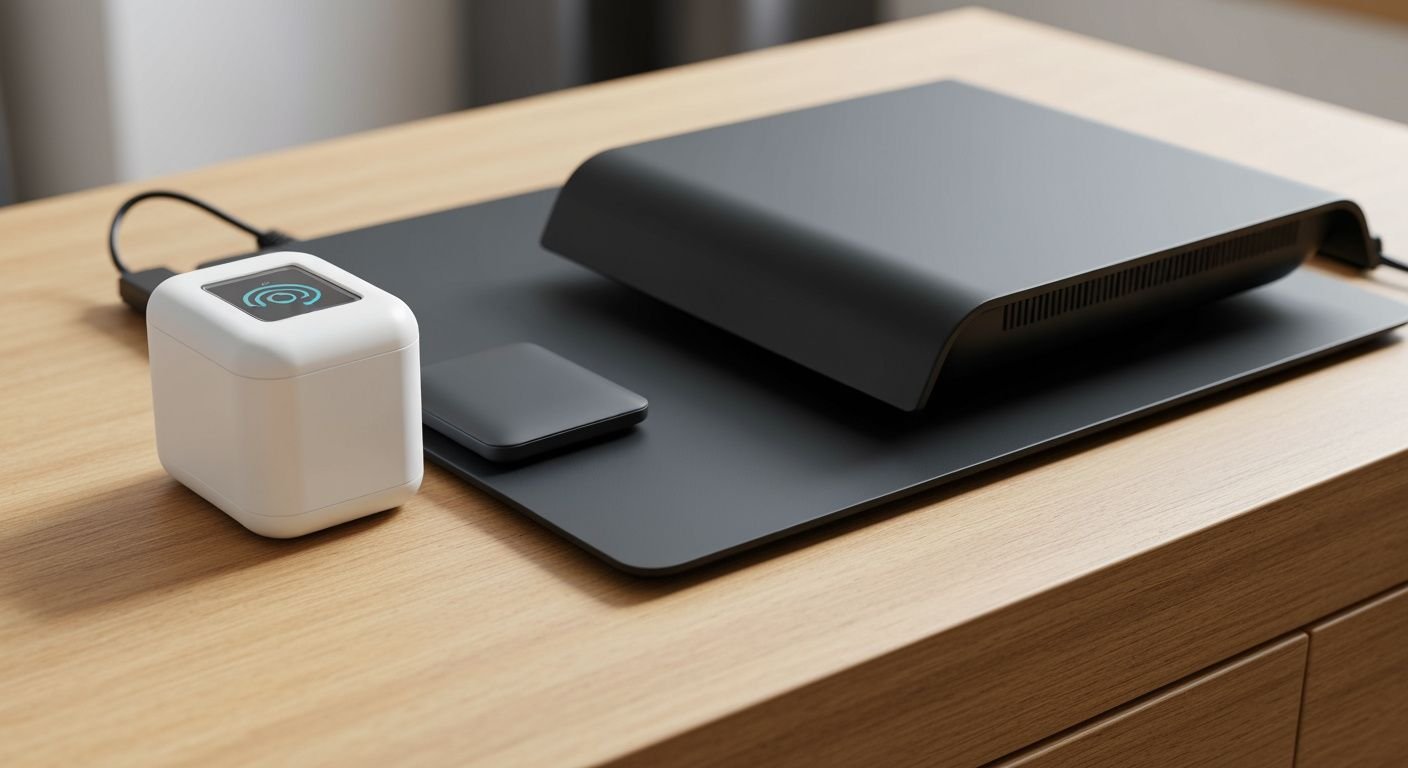
Smart Home Electronics: Enhance Your Home with Technology
Are you looking to simplify your daily routines and enhance your home environment? Smart home electronics are transforming the way we live, offering innovative solutions that improve convenience, security, and energy efficiency. With the rise of IoT technology, these devices can be seamlessly integrated into your home, allowing for real-time control and automation. In this article, we will explore the various types of smart home electronics, how they work, and the benefits they offer. Whether you’re a tech enthusiast or just starting your smart home journey, you’ll gain valuable insights into creating a more connected and efficient living space.
Understanding Smart Home Electronics
Smart home electronics refer to devices and systems that enhance the functionality of a home through automation and connectivity. These devices can be controlled remotely via smartphones or computers, allowing homeowners to manage their environment efficiently. The rise of the Internet of Things (IoT) has played a significant role in the proliferation of smart home technology, providing greater convenience and energy efficiency. From smart thermostats to security cameras, the range of available devices continues to expand, making it easier for users to tailor their home environment to their preferences.
Key Components of Smart Home Systems
Smart home systems typically consist of several components, including devices, a central hub, and a network connection. Devices may include smart lights, locks, and appliances, while the central hub acts as the command center, facilitating communication between devices. A reliable internet connection is essential for these components to work seamlessly, allowing users to control their systems from anywhere with an internet connection.
Benefits of Smart Home Electronics
The integration of smart home electronics offers numerous benefits, including enhanced security, energy savings, and improved convenience. For instance, smart security systems can provide real-time alerts and remote monitoring capabilities. Additionally, smart thermostats can optimize heating and cooling schedules based on usage patterns, leading to reduced energy costs. Overall, these systems contribute to a more comfortable and secure living environment.
Key Points:
- Smart home electronics enhance convenience and security
- Internet of Things enables seamless device connectivity
Types of Smart Home Electronics
Smart home electronics can be categorized into various types based on their functionality and purpose. Understanding these categories helps homeowners choose the right devices to meet their specific needs. Common categories include security systems, lighting solutions, climate control devices, and home entertainment systems. Each category offers unique features that contribute to the overall smart home experience, emphasizing the importance of selecting the right combination of devices for optimal integration.
Smart Security Systems
Smart security systems include devices such as cameras, motion sensors, and smart locks. These systems can be monitored and controlled remotely, allowing homeowners to keep an eye on their property in real-time. Features like video recording, alerts, and access control enhance security and provide peace of mind, especially when away from home.
Smart Lighting Solutions
Smart lighting solutions allow homeowners to control their lighting through mobile apps or voice assistance. Users can set schedules, adjust brightness, and change colors, creating an ambiance that suits their mood or activity. Energy-efficient smart bulbs can also help reduce electricity bills while offering convenience and flexibility in lighting design.
Climate Control Devices
Climate control devices, like smart thermostats, enable users to manage their home’s heating and cooling systems efficiently. These devices can learn user preferences over time, automatically adjusting temperatures to optimize comfort and energy usage. Features like remote access and integration with other smart devices further enhance their utility.
Key Points:
- Various types include security, lighting, and climate control
- Optimal device selection enhances smart home integration
Understanding Smart Home Electronics
Smart home electronics refer to devices that connect to the internet and can be controlled remotely through smartphones or voice commands. These devices enhance convenience, security, and energy efficiency in a home. They can include smart thermostats, lighting systems, cameras, and appliances. When integrated, these devices create a cohesive ecosystem that can automate tasks and provide real-time data. Understanding the capabilities and limitations of these devices is crucial for maximizing their benefits. Additionally, ensuring compatibility among devices is key for seamless integration.
Types of Smart Home Electronics
Smart home electronics can be categorized into several types, including security systems, lighting, climate control, and entertainment. Security systems include cameras and smart locks, while lighting covers smart bulbs and switches. Climate control extends to smart thermostats that optimize heating and cooling. Entertainment systems integrate smart speakers and televisions, allowing for centralized control of media.
How Smart Home Electronics Work
Most smart home electronics operate on a principle of connectivity through Wi-Fi, Bluetooth, or Zigbee protocols. These devices communicate with a central hub or directly with each other, allowing for automation and remote control. Users can typically manage these devices via dedicated mobile applications or voice assistants, which streamline the interaction process and provide notifications based on user-defined triggers.
💡 Understand the types of devices available to choose the best fit for your needs
💡 Ensure devices are compatible with your existing home network to avoid connectivity issues
Implementing Smart Home Electronics Effectively
Successfully implementing smart home electronics involves careful planning and consideration of user needs. Begin by identifying specific goals, such as enhancing security, improving energy efficiency, or increasing convenience. Once goals are set, create a blueprint for device placement and integration to ensure optimal functionality. It’s also important to consider scalability; selecting devices that can be easily expanded upon will future-proof your smart home setup.
Planning Your Smart Home Setup
Before purchasing devices, assess your home’s layout and existing infrastructure. Identify areas that could benefit from automation, such as entry points for security or rooms where lighting control would enhance usability. Create a list of desired features and prioritize them according to your lifestyle needs to ensure an efficient setup.
Integrating Devices for Seamless Operation
Once devices are purchased, integration is key. Use a central hub to connect different devices for streamlined control. Set automation routines with triggers, such as turning off lights when leaving home or adjusting the thermostat based on occupancy. Regularly update device software to ensure security and functionality.
💡 Create a layout plan for device placement to enhance efficiency
💡 Regularly review automation routines to adapt to changes in lifestyle
EXPERT TIPS Pro Advice
Start small with your smart home setup
Begin with one or two devices to understand their functionality before expanding, ensuring that you can troubleshoot and integrate them effectively.
Focus on interoperability
Choose devices that can work together seamlessly to avoid fragmentation in your smart home system, ensuring a smoother user experience.
Leverage automation for energy savings
Set schedules for devices like thermostats and lights to reduce energy consumption, which can lead to significant cost savings over time.
Prioritize security in your smart home
Always implement robust security measures, such as strong passwords and regular software updates, to protect your network from vulnerabilities.
Stay updated on smart home trends
Follow industry news and trends to stay informed about new technologies and features, ensuring your smart home remains current and efficient.
Frequently Asked Questions
Conclusion
Smart home electronics offer convenience, security, and energy efficiency for modern living. By understanding their functionality and potential benefits, you can make informed decisions about which devices to integrate. Prioritizing compatibility and security will enhance your smart home experience.
🎯 Key Takeaways:
- Smart home electronics improve convenience and security.
- Devices connect via Wi-Fi or Bluetooth for remote control.
- Consider compatibility and security before purchasing.
- Start with a central hub and add devices gradually.
- Regular updates and strong passwords enhance privacy.
Expert Advice: Approach your smart home journey thoughtfully. Evaluate your needs, research options, and embrace automation gradually for the best results. This ensures you create a seamless and secure smart home environment.
Explore further on how to optimize your living space with smart technologies.
Leave a Reply